

How much does a SaaS design agency cost in 2026?
Guides • March 16, 2026
Most SaaS design agencies charge between £5,000 and £75,000 + ($6,750 – $100,000) per project, or £2,000 – £8,000 ($2,600 – $10,750) per month on retainer. But the real answer depends on what you need — a brand refresh, a marketing website, a full product redesign, or even all three.
We’re a London-based SaaS design agency and we’ve been pricing these projects for over 5 years. This guide shares real pricing based on our experience and what we see across the industry — not vague ranges pulled from job boards or AI-generated guesswork.
Whether you’re a bootstrapped founder budgeting your first rebrand or a scaling SaaS company planning a full design overhaul, this guide will help you understand what to expect and where your money goes.
SaaS design pricing at a glance
Here’s a realistic breakdown of what you can expect to pay a mid-market or boutique SaaS design agency in the UK in 2026:
| Project type | Typical UK price range | Price in $USD | Timeline | Best for |
| Brand identity (logo, visual system, guidelines) | £5,000 – £25,000 | $6,650 – $33,250 | 4 – 8 weeks | SaaS companies repositioning or launching |
| Marketing website design + build | £10,000 – £40,000 | $13,300 – $53,200 | 6 – 12 weeks | Companies needing a site that converts demos and trials |
| Product UX/UI design (app interface) | £15,000 – £50,000 | $19,950 – $66,500 | 8 – 16 weeks | SaaS with onboarding, retention or usability issues |
| Full service (brand + web + product) | £35,000 – £75,000 + | $46,550 – $100,000 + | 3 – 6 months | Early-stage SaaS wanting a complete design overhaul |
| Ongoing retainer | £2,000 -£8,000/month | $2,660 – $10,640 | Ongoing | Scaling SaaS needing continuous design support |
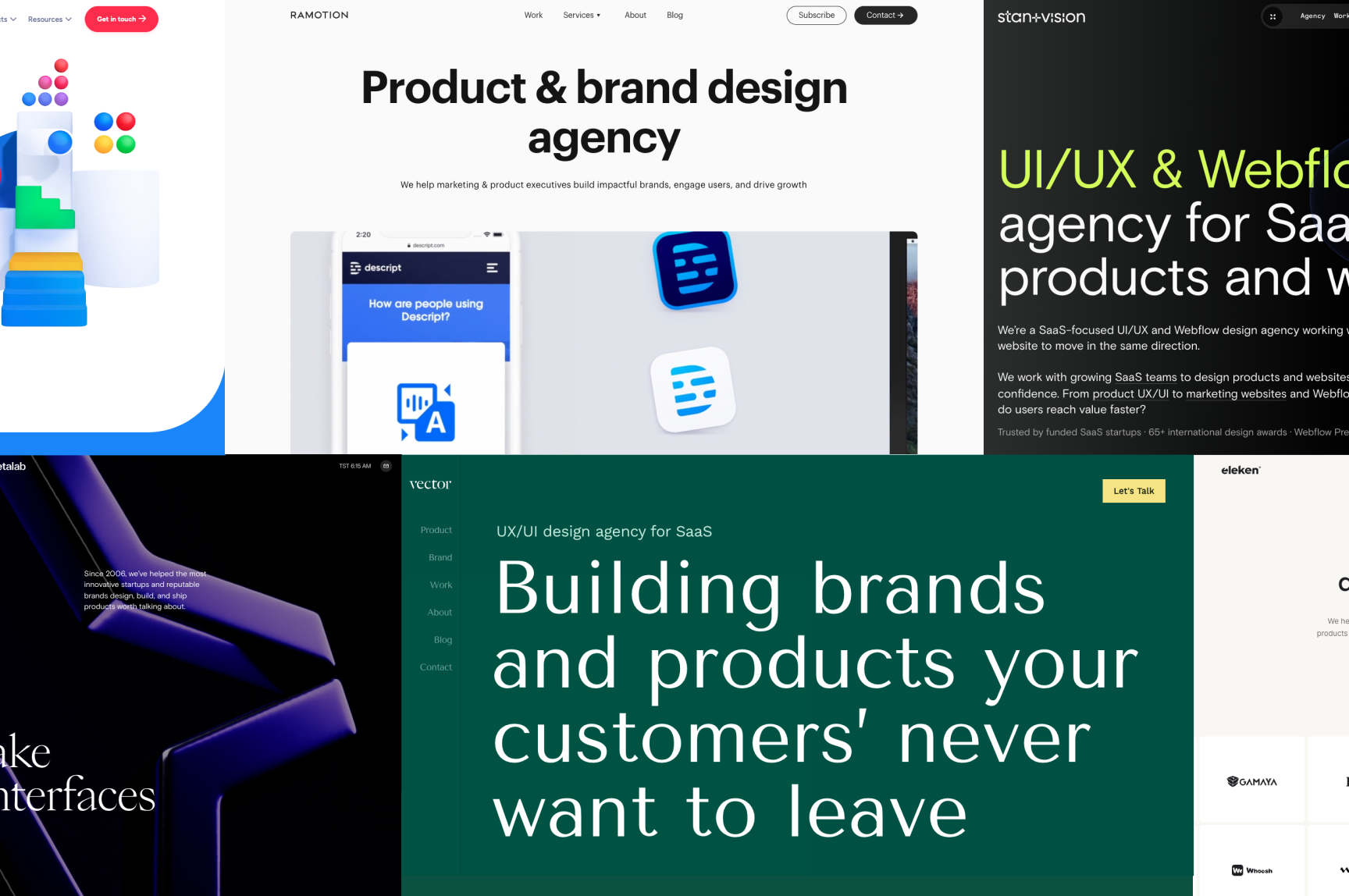
These are mid-market rates typical of specialist boutique agencies. Large US agencies like Clay or MetaLab charge significantly more (often $100,000 – $200,000 + (£75,000 – £150,000) per project). Offshore teams or freelancers will charge less but typically offer less strategic depth.
What affects the price of a SaaS design project?
No two SaaS design projects cost the same. Here are the main factors that move the price up or down.
Scope and complexity
A 5-page marketing website is a very different proposition from a 40-screen product interface with admin dashboards, user roles, and reporting views. The number of pages or screens, the complexity of the information architecture, and whether you need responsive design across devices all affect the price. As a rough guide: every additional unique page template adds 1 – 2 days of design work.
Whether research is included
User research, competitor analysis, and strategy work adds cost — but dramatically improves outcomes. Some agencies include a discovery phase in their pricing; others charge it separately. At Vector, we include a discovery phase in every project because we’ve found that skipping research leads to more revisions and weaker results down the line.
Design only vs design + development
A design-only project (Figma deliverables with a developer handoff) costs less than a full design + build engagement. As a rough split, design typically accounts for 40 – 60% of the total project cost, with development making up the remainder. If you have an in-house development team, you can save significantly by commissioning design only and handling the build yourselves.
Revisions and iteration
Some agencies include a fixed number of revision rounds in their pricing. Others work iteratively with unlimited feedback cycles. At Vector, we work collaboratively with weekly check-ins and iterative feedback — we’d rather get it right through ongoing dialogue than through formal ‘revision rounds’ that feel transactional.
SaaS design pricing by project type
Let’s break down what you’re actually paying for in each type of SaaS design project.
Brand identity and visual design (£5,000 – £25,000)
A SaaS brand identity project typically covers your logo, colour palette, typography, visual style, and brand guidelines document. At the lower end (£5,000 – 10,000), you’ll get a focused visual identity: logo, colour system, type selection, and a simple guidelines document. At the mid range (£10,000 – 18,000), expect a full visual identity system including messaging framework, social media templates, and comprehensive guidelines. At the higher end (£18,000 – 25,000 +), you’re looking at brand strategy, positioning work, naming, and application across multiple touchpoints including sales decks and marketing collateral.
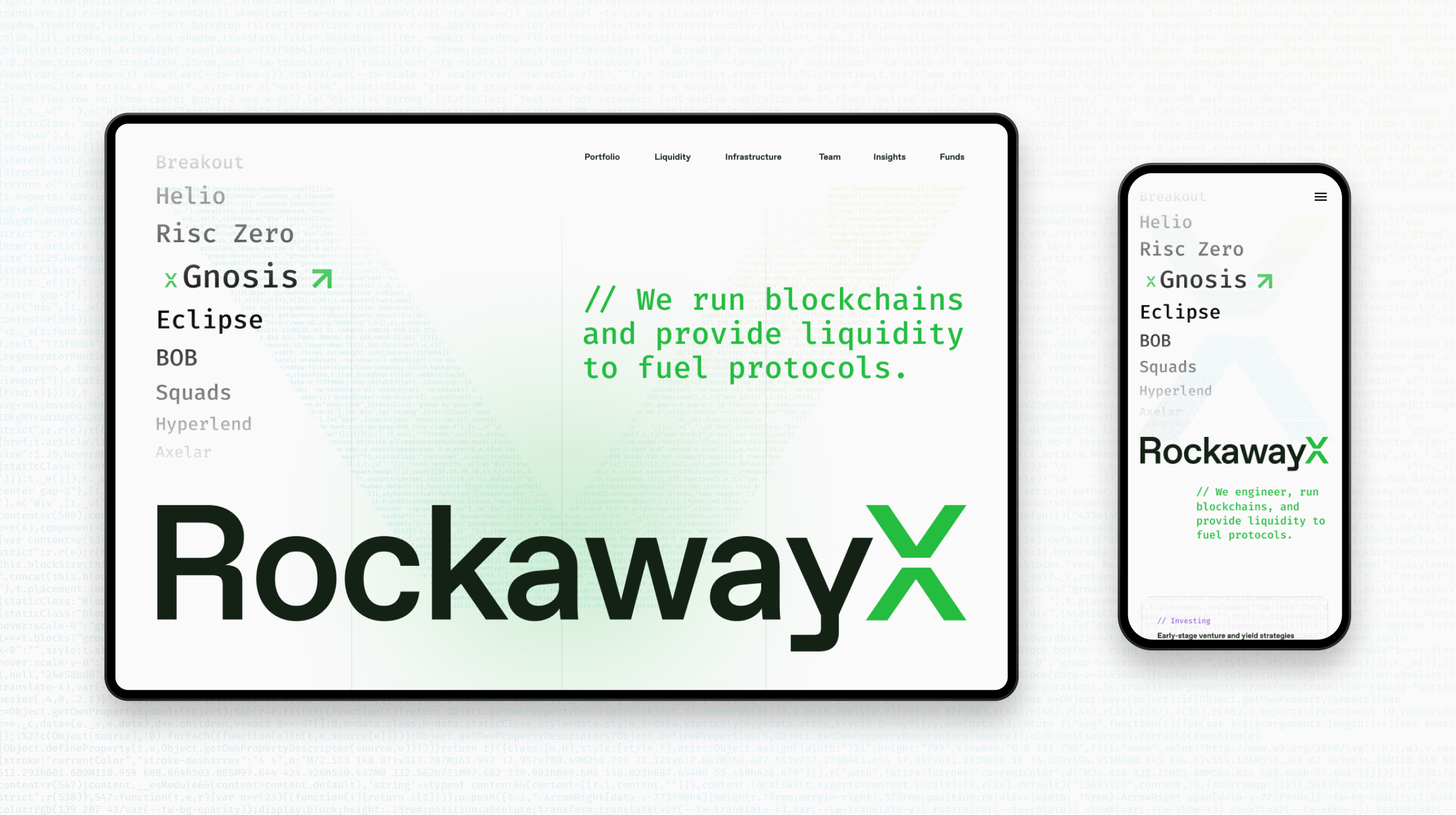
Example: Our RockawayX project included full brand design, guidelines, social media templates, and sales deck design — creating a crypto inspired, engineering-led aesthetic that resonated with their target audience of tech founders and investors.
SaaS marketing website design (£10,000 – £40,000)
Your marketing website is your most important sales tool. The cost depends on the number of pages, whether messaging and copywriting is included, the complexity of animations and interactions, and whether development (WordPress, Webflow, Framer or custom) is part of the scope.
At the lower end (£10,000 – 15,000), you’ll get a clean, conversion-focused site of 5 – 8 core pages with responsive design and CMS setup. At the mid range (£15,000 – 25,000) expect custom illustrations or animations, SEO-optimised structure, and 8 – 15 core pages. At the higher end (£25,000 – 40,000 +), you’re getting bespoke interactive elements, integrations with your marketing stack, and potentially a blog or resource hub.
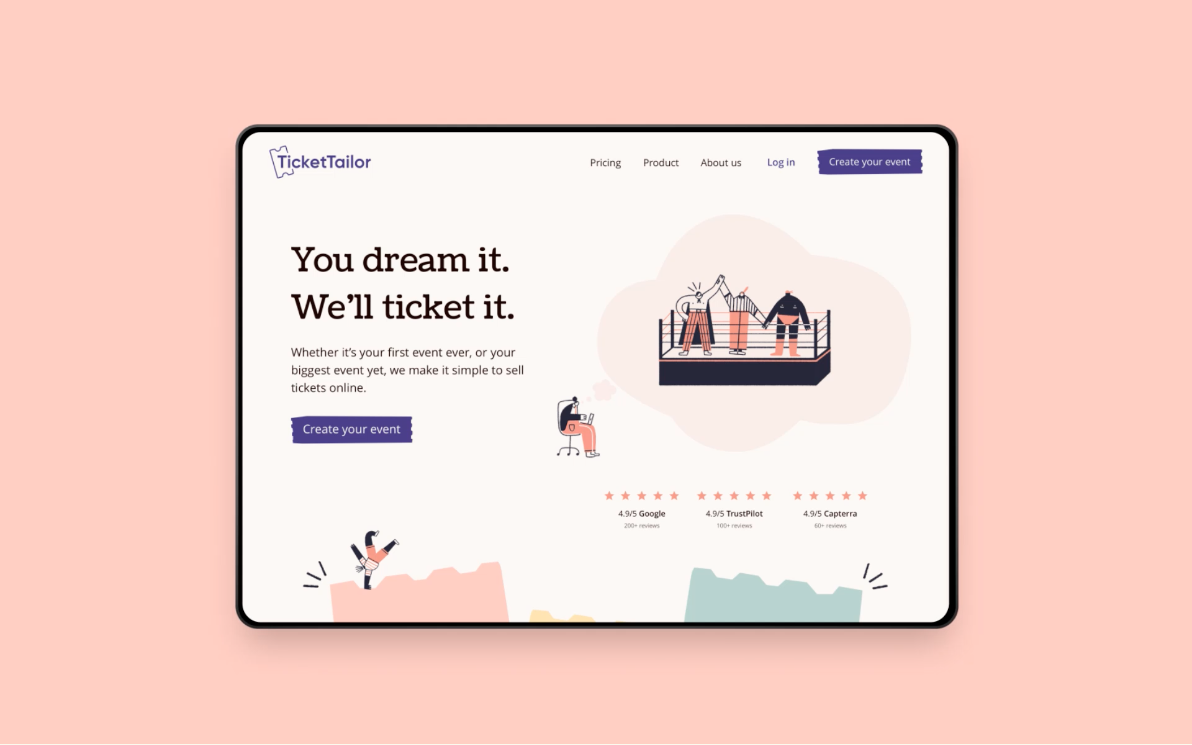
Example: Our work with Ticket Tailor included brand-led website redesign that balanced compelling messaging with compelling visual storytelling.
Product UX/UI design (£15,000 – £50,000)
Product design is the most variable pricing category because the scope can range from a focused UX audit of a single feature to a complete redesign of an entire SaaS application. A typical project involves user research, journey mapping, wireframing, prototyping, high-fidelity UI design, design system creation, and developer handoff documentation.
Product design is also more likely to be ongoing than a one-off project. Many SaaS companies start with a focused product design engagement and then move to a retainer model for continuous UX improvements — which is exactly how most of our longest client relationships have developed.

Example: Our Ticketpass engagement started as a product design project and evolved into a 2 year partnership spanning brand, product, and marketing design.
Full-service SaaS design: brand + web + product (£35,000 – £75,000 +)
This is where you get the most value from a specialist SaaS agency. When one team handles your brand, marketing website, and product UX/UI, everything is connected: the brand voice carries through to the product interface, the website accurately represents what the product actually does, and the design system works across all touchpoints.
Bundling also saves money compared to hiring three separate specialists. You avoid duplication of discovery work, inconsistencies between brand and product, and the project management overhead of coordinating multiple agencies.
SaaS design agency pricing models compared
Different agencies charge in different ways. Here’s how the main pricing models compare:
| Pricing model | How it works | Typical UK price range | Price in $USD | Best for |
| Fixed project fee | Agreed scope and price upfront | £5,000 – £75,000 + | $6,650 – $100,000 | Defined projects with clear requirements |
| Monthly retainer | Fixed hours or deliverables per month | £2,000 – £8,000/mo | $2,660 – $10,640/mo | Scaling SaaS needing continuous design support |
| Day / week rate | Pay per designer day | £400 – £800/day | $530 – $1,060/day | Short engagements or specific tasks |
| Subscription (designer-as-a-service) | Flat monthly fee for a dedicated designer | £3,500 – £6,000/mo | $4,655 – $7,980 | Product teams with rolling design backlogs |
| Hourly rate | Pay for hours worked | £75 – £200/hour | $100 – $260 | Ad hoc work or consulting |
The subscription model (popularised by agencies like Eleken) works well for teams with a constant stream of product design tasks. You get a dedicated designer embedded in your workflow, which is great for iteration speed. The trade-off is less strategic depth — you’re getting design execution rather than the strategy, research, and brand thinking that comes with a project-based engagement.
At Vector, we typically work on a fixed project fee for the initial engagement, then transition to a monthly retainer for ongoing work. This gives our clients budget certainty upfront and flexibility as the relationship develops.
How Vector’s pricing works
We believe in being transparent about pricing — nobody wants to sit through a discovery call only to find out the budget doesn’t match.
At Vector, our projects typically start from £5,000 for a focused brand or web design engagement. Most of our clients invest between £20,000 and £50,000 across the full scope of their project, which usually covers a combination of brand, web, and product design work.
Our process starts with a free discovery call where we learn about your product, your goals, and your budget. We then provide a detailed proposal with pricing ranges broken into phases, so you know exactly what you’re paying for at each stage. We provide a range in our initial proposal as not all the details of the project will be fleshed out in the initial call but this will still give you a clear sense of what the budget will be for your scope.
We work with a lot of bootstrapped SaaS companies, so we’re realistic about budgets. We’d rather scope a project that fits your budget and delivers real results than push a package you can’t afford. If your budget doesn’t match the full scope of what you need, we’ll help you prioritise what to tackle first.
Most of our clients stay with us for 2 + years. That’s not because we lock anyone in — it’s because the relationship works. We get to know your product deeply, which means every subsequent project is faster and more effective.
Want to know what your project would cost? Book a free discovery call or send us a brief.
Agency vs freelancer vs in-house: what should you choose?
An agency isn’t always the right answer. Here’s an honest comparison:
| Option | Typical UK price range | Price in $USD | Best for | Limitations |
| Freelance SaaS designer | £300 – £600/day | $400 – $800 | Specific tasks, tight budgets, well-defined briefs | One perspective, limited strategic depth, availability gaps |
| Boutique SaaS agency | £5,000 – £75,000 per project | $6,650 – $100,000 | Brand, web, or product transformations | Smaller team, may have capacity constraints |
| Large design agency (Clay, MetaLab) | £50,000 -£200,000 + per project | $66,500 – $266,000 | Enterprise SaaS, large-scale platforms | Premium pricing, may not prioritise smaller clients |
| In-house designer | £45,000 – £75,000/year salary | $59,850 – $100,000 | Ongoing daily design needs, deep product context | Recruitment time, single skillset, management overhead |
| Subscription service (Eleken, Superside) | £3,500 -£10,000/month | $4,655 – $13,300 | Ongoing product UI iteration | Less strategic depth, limited brand/web expertise |
If you’re pre-revenue, a freelancer or a template-based approach could be the right call. If you’re at the stage where design quality directly affects conversion, retention, and how investors perceive your company, that’s when a specialist agency adds the most value. And if you have a rolling backlog of product design tasks and a clear direction already set, a subscription model can work well.
How to budget for SaaS design as a startup
Your design budget should match your stage. Here’s a realistic framework:
Pre-seed / MVP stage
Don’t spend more than £3,000 – £5,000 on brand and website design. Use templates, tools like Figma, and lean on free resources for your website design. Your priority is product-market fit, not pixel-perfect branding. We’ve even published free SaaS design resources including wireframe kits and illustration packs that can help at this stage.
Seed / first revenue
This is when professional design starts to matter. Budget £10,000 – £25,000 for a brand identity and marketing website that properly represents your product. First impressions matter when you’re trying to convert your first paying customers.
Series A / scaling
Invest £25,000 – £75,000 + in a full design overhaul — brand, web, and product. This is the stage where most Vector clients come to us. You have traction, you have revenue, and now you need design that matches the ambition of the product.
Post-Series A / growth
Consider a retainer relationship (£2,000 – £8,000/month) for ongoing design support. At this stage, you’re shipping features regularly, running experiments, and your brand needs to evolve alongside the product. A long-term design partner who knows your product inside out is far more efficient than briefing a new agency every quarter.
Questions to ask before hiring a SaaS design agency
Use these questions during your evaluation process. They’ll help you separate agencies that genuinely understand SaaS from those that don’t:
1. Do you specialise in SaaS, or do you work across all industries?
SaaS design has unique challenges — onboarding flows, subscription UX, dashboard design, feature adoption. An agency that works on SaaS every day will move faster and make fewer mistakes.
2. Can I see case studies with measurable results?
Beautiful screenshots aren’t enough. Look for conversion improvements, retention changes, or user engagement metrics. If an agency can’t show results, they may not be measuring them.
3. What’s included in the price — just design, or strategy and research too?
Some agencies quote low but don’t include discovery, research, or strategy. Others include everything. Make sure you’re comparing like for like.
4. Who will actually work on my project — seniors or juniors?
At boutique agencies, you typically get senior designers from day one. At larger agencies, your project may be handed to junior staff after the pitch.
5. How do you handle revisions and feedback?
Fixed revision rounds can feel restrictive. Collaborative, iterative processes tend to produce better results but may cost more.
6. Do you offer brand, web, AND product design, or just one?
If you need more than one, working with a single agency that does all three saves money and produces more cohesive results.
7. What happens after the project ends?
The best agencies offer ongoing support or retainer options. A one-off project with no follow-up can leave you stranded.
8. Can you work with our existing development team?
Many SaaS companies have in-house developers. Your agency should be able to hand off designs cleanly and support the build process.